
8 min read
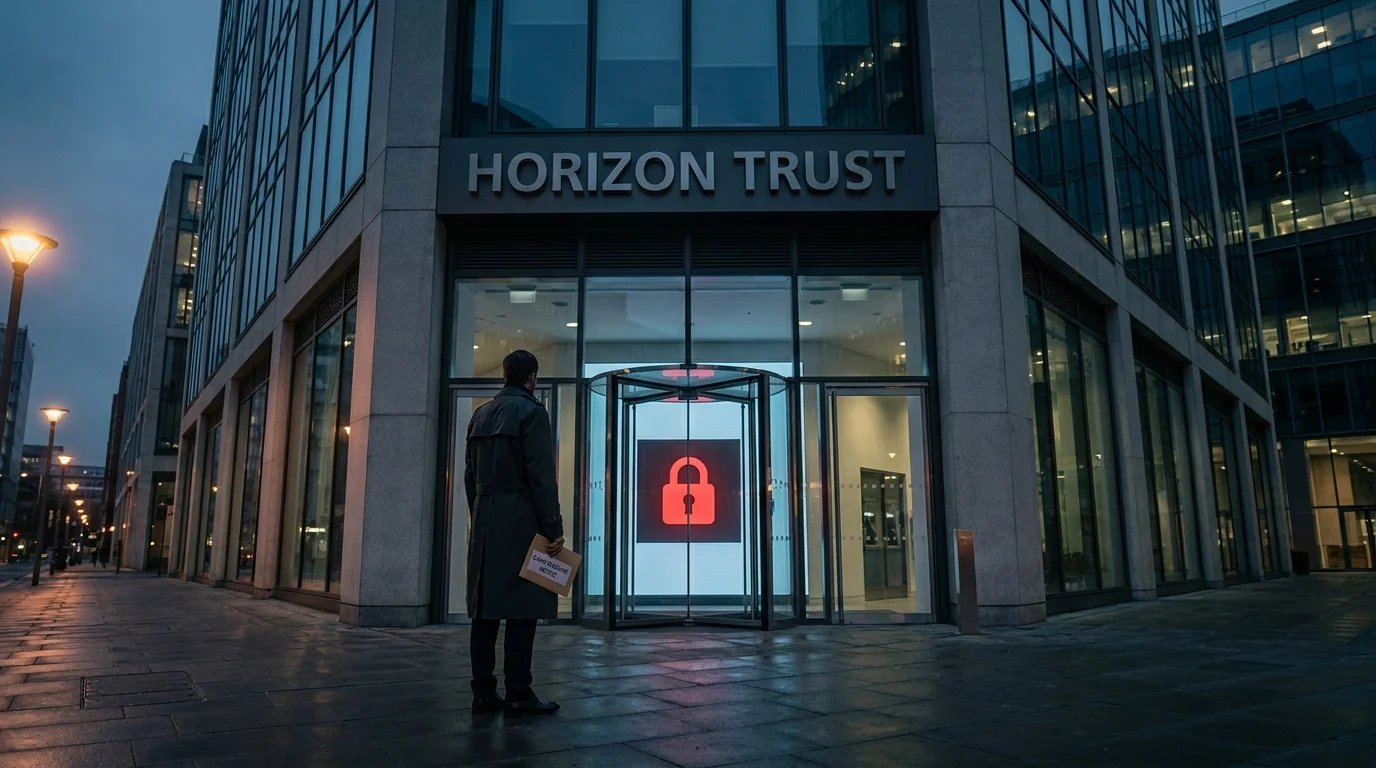
Imagine opening your banking app one morning and finding your account gone. There is no warning and no clear reason, only a short letter saying your relationship with the bank has ended. That experience is what people mean when they say they have been “debanked.”
The word has moved from banking compliance circles into headlines, political debates, and business forums. This guide explains the debanked meaning in plain language, why it happens, who is most exposed, and how to protect yourself.
What Does “Debanked” Mean?
Being debanked means a bank closes your account, or refuses to open one, because it sees you as a risk. That risk can be financial, legal, regulatory, or tied to the bank’s public image. The word covers individuals, small businesses, charities, and whole industries.
Inside the banking industry, the same practice is usually called de-risking. A bank decides that keeping certain customers costs more, in compliance work or potential trouble, than the profit they bring in, so it cuts them loose instead of managing the risk.
Debanking can look like:
- A personal or business account closed with short notice
- An application to open an account rejected without a clear explanation
- A card, loan, or payment service withdrawn
- A whole category of customers refused, such as certain business types or regions
Debanked vs. Account Closure: Is There a Difference?
Not every closure is debanking. A bank may shut a dormant account or one that has sat empty for years. Those are routine housekeeping. Debanking usually implies the closure was triggered by a risk judgment about who you are or what you do, and that it made it hard to get banking elsewhere.
Why Do Banks Debank Customers?
Banks rarely give a full explanation, but the reasons usually fall into a few groups.
1. Anti-money-laundering and know-your-customer rules. Banks must verify who their customers are and watch for suspicious activity. Missing paperwork, unclear sources of funds, or unusual transaction patterns can lead to closure, even when the customer has done nothing illegal.
2. High-risk industries. Some sectors get extra scrutiny because they involve heavy cash use, complex ownership, or fast-changing regulation. Cryptocurrency firms, cannabis businesses, money transfer services, online gambling, adult content, and firearms sellers are common examples.
3. Geography and sanctions. Customers with links to countries under sanctions, or to regions seen as high risk for financial crime, can be flagged. This also hits ordinary families sending money abroad, since banks that handle those transfers face pressure from their own partner banks.
4. Cost of compliance. Monitoring a customer costs money. When the expected revenue is small, a bank may decide the customer is not worth the compliance effort.
5. Reputational concerns. A bank may worry that serving a controversial person or company will damage its brand. This is the most disputed reason, and it sits at the center of the political debate.

The Political Side of Debanking
Debanking became a mainstream topic because of arguments over whether banks close accounts for ideological reasons. Critics in the United States pointed to what they called “Operation Choke Point,” a regulatory push in the 2010s that they say discouraged banks from serving lawful but disfavored industries.
On August 7, 2025, an executive order titled “Guaranteeing Fair Banking for All Americans” was signed. It told federal banking regulators to strip “reputation risk” from their guidance and examination manuals and required that banking decisions rest on individualized, objective, risk-based analysis rather than political or religious views. Regulators were also asked to review complaint and supervisory data for signs of unlawful debanking. Lawmakers have since debated a federal fair access standard that would formalize these ideas.
Supporters argue this protects people from being shut out of the financial system for their beliefs. Skeptics warn that removing reputational risk from supervision could limit a bank’s ability to avoid customers linked to fraud or abuse, and that compliance burdens may simply fall on banks in a different form.
The issue is not limited to one side of politics or one country. In the United Kingdom, a high-profile 2023 account closure involving a public figure triggered a national conversation and led to tighter expectations about how banks communicate closures. Reporting in early 2026 also highlighted concerns from Muslim communities who say they face account closures and difficulty opening accounts.
Debanking Around the World
In many developing economies, debanking happens at a different level. International banks may pull back from correspondent relationships, the links that let local banks move money across borders. When those links disappear, remittances become slower and costlier, and local businesses lose access to global payment rails. International bodies that set anti-money-laundering standards have repeatedly warned that blanket de-risking can push people toward informal, less transparent ways of moving money, which defeats the goal of fighting financial crime.
Who Is Most at Risk of Being Debanked?
- Small business owners in high-scrutiny industries
- Freelancers and online sellers with irregular international payments
- Crypto founders and traders
- Nonprofits and charities operating in conflict zones
- Immigrants and people with cross-border family ties
- People whose names resemble those on watchlists
- Public or politically exposed figures
Warning Signs Before an Account Is Closed
Banks often give little notice, but some signals appear earlier:
- Frozen or held transactions that used to clear normally
- Repeated requests for documents about source of funds
- A sudden drop in transaction limits
- Calls or emails asking you to explain specific payments
- A change in the tone of relationship manager conversations
What to Do If You Have Been Debanked
Ask for the reason in writing. Banks are not always required to give a detailed explanation, but asking creates a record and sometimes reveals a fixable problem, such as an outdated ID.
Submit clean documentation. Provide proof of identity, address, business registration, and clear records showing where your money comes from. Many closures stem from paperwork gaps rather than misconduct.
Escalate formally. Use the bank’s complaints process first. If that fails, take the matter to the financial regulator or ombudsman in your country, such as the Consumer Financial Protection Bureau in the US or the Financial Ombudsman Service in the UK.
Move your money quickly and safely. Once a closure notice arrives, the clock is ticking. Open a replacement account before the old one shuts, and redirect salary, bills, and client payments early.
Look beyond big banks. Credit unions, community banks, digital banks, and specialist payment providers often serve customers larger banks avoid. Choose a business-friendly institution that understands your industry.
Get professional advice. For business accounts, a lawyer or compliance consultant can help you respond to bank questions and check whether the closure broke any rule.

How to Reduce Your Risk of Being Debanked
- Keep your personal and business finances separate.
- Maintain organized records of invoices, contracts, and income sources.
- Tell your bank in advance about unusual large transactions.
- Answer compliance questionnaires promptly and accurately.
- Keep your contact details and ID current.
- Hold accounts at two or more institutions so one closure cannot freeze your finances.
- Be open about your business model if it operates in a sensitive sector.
Is Debanking Legal?
It depends on the reason and the country. Banks generally have wide freedom to end customer relationships, but they cannot do so for prohibited reasons such as discrimination based on protected characteristics. Many jurisdictions also require notice periods and complaint procedures. Rules are changing quickly, so check the current requirements where you live.
Also Read Finance Blog Here: What Is an ETF? A Complete Beginner’s Guide
Key Takeaways
Debanked means losing access to banking services because a bank sees you as too risky, whether financially, legally, or reputationally. Sometimes the cause is legitimate compliance. Sometimes it is over-cautious de-risking, and in some cases it becomes a fairness or discrimination question. Knowing your rights, keeping tidy records, and spreading your accounts across institutions is the best defense.
FAQs
What does debanked mean in simple words?
It means a bank shut your account or refused to serve you because it considers you a risk.
Is debanking the same as de-risking?
Practically yes. De-risking is the industry term for ending relationships with customers seen as high risk.
Can a bank close my account without telling me why?
In many cases banks can, though notice rules and complaint rights vary by country.
Can I get my account back after being debanked?
Sometimes. Fixing missing paperwork or filing a complaint with a regulator can help, but many people find it faster to open a new account elsewhere.
Does being debanked affect my credit?
Closing an account does not by itself lower your credit score, but unpaid balances or missed payments during the transition can.

Stephen D. Schmitt is the founder and lead writer at Her Net Worth Journey. He created the site to make personal finance easier to understand and easier to act on, without the jargon that makes most money advice hard to follow. Stephen focuses on practical, number-driven guidance — the kind of advice a reader can apply the same day they read it. He writes about budgeting, investing, saving, and debt from a simple starting point: track the number, then make decisions that move it in the right direction. Stephen lives in Maitland, Florida, and manages Her Net Worth Journey directly, from the content to the free tools on the site.