7 min read
Introduction
Every day, people type unfamiliar website names into Google because they saw them in a message, an advertisement, or a social media post. “Renvoit com” is one such search. When a name looks new, the first question is simple: is this website real, and can I trust it? There is not much public, verified information about this exact name, so guessing what the site does would not be fair to you. What I can do is explain what the word looks like, why people search for names like this, and give you a clear method to test any new website before you share your details with it. This guide is written in easy words so that anyone can follow it, even without technical knowledge.
What Does “Renvoit” Look Like?
The word “renvoit” looks very close to the French word “renvoi,” which can mean a return, a referral, or a dismissal depending on the sentence. The form “renvoie” is the common verb form meaning “sends back.” This does not prove anything about a website, because domain names are often built from invented words, brand names, or small spelling changes. A name that looks French does not mean the owner is in France, and a name that looks strange does not mean the site is unsafe. The honest answer is that the name alone tells you very little, and you need to look at the website itself and its public records before forming an opinion.
Why People Search for Unknown Domain Names
Most people search for a name like this for a practical reason. Maybe they received an email with a link, maybe a friend shared a deal, or maybe a package notification mentioned an unfamiliar site. Searching the name before clicking is a smart habit, because many online scams depend on people acting quickly without checking. Scammers also like to use names that look almost normal, with one letter changed, so that the site seems like a known brand at a quick glance. Taking two minutes to research a domain can save you from losing money or personal information, so your instinct to search first is a good one.
Step 1: Check Who Owns the Domain

Every website name is registered with a domain registrar, and part of that record is public. You can look up the domain registration details to see when the name was created, which company registered it, and when it expires. A website that was created only a few days ago and is already asking for payments deserves extra caution. A site that has existed for several years with a steady history is usually a better sign, although age alone is not a guarantee. Some owners hide their personal names for privacy, and that is normal, so do not treat hidden owner details as a warning by themselves. Focus on the creation date and the overall picture.
Step 2: Look at the Website Address and Design
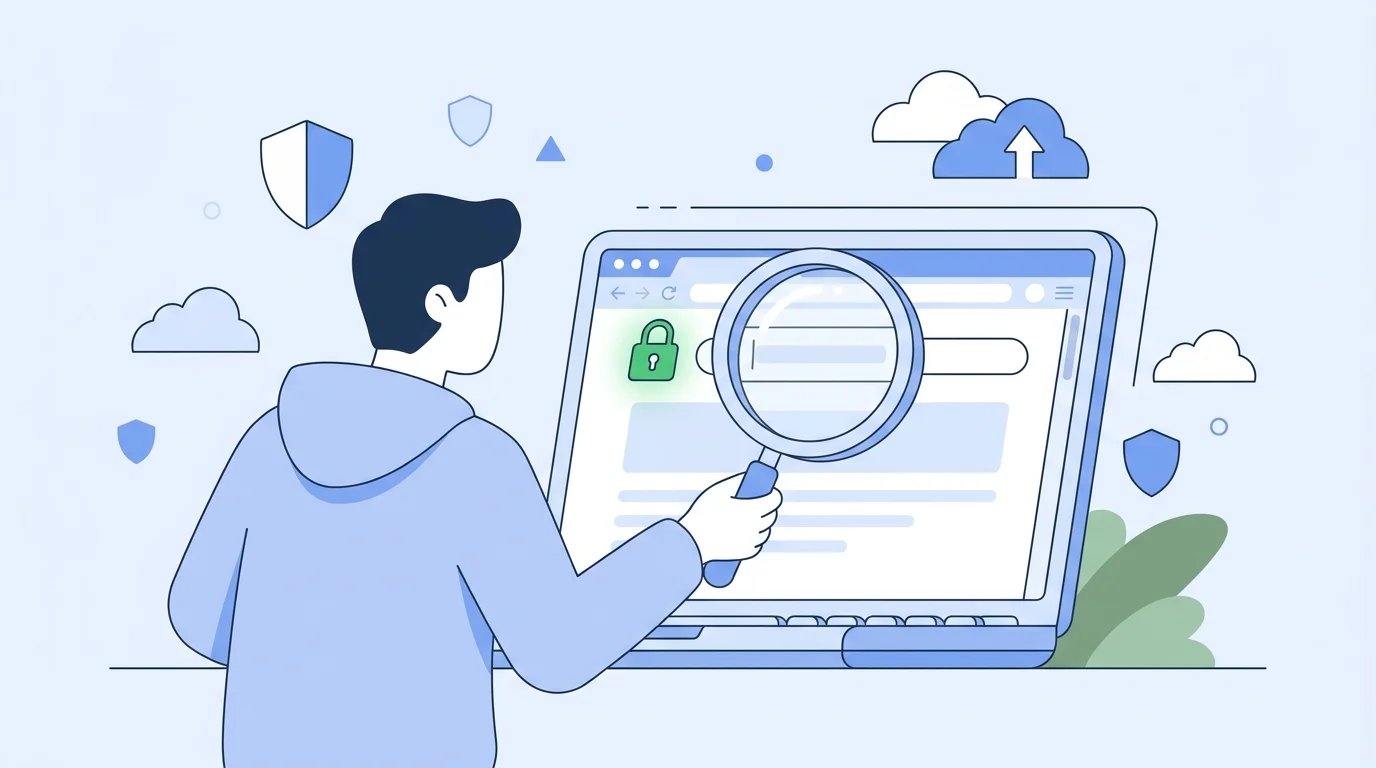
Check the address bar carefully. A safe connection usually shows a small padlock and the address starts with “https.” This only means the connection is encrypted, and some bad websites also have it, so it should never be your only test. Read the full domain slowly, letter by letter, because fake sites often swap or add one character. Then look at the design. Poor grammar, blurry logos, copied product photos, and countdown timers that push you to buy right now are all common signs of a low-quality or fake shop. Real businesses usually keep a clean and consistent look across their pages.
Step 3: Use a Free Safety Checker
You do not have to judge a site only with your eyes. Google offers a free page where you can paste a web address and see if the site has been flagged for harmful content, based on its Safe Browsing data. If the tool shows that the site is unsafe, leave immediately. If it shows no problem, that is a good sign but not a promise, because new harmful sites can appear faster than lists are updated. Treat the result as one piece of evidence and combine it with the other steps in this guide.
Step 4: Look for Real Contact Details and Policies
A trustworthy website explains who is behind it. Look for a physical address, a working email, a phone number, and clear pages for privacy, returns, and terms of use. Do not just see that these pages exist. Open them and read a few lines, because fake sites often copy text from other stores or leave the pages empty. Try searching the business address on a map and see if it matches the kind of business described. You can also search the site name together with words like “reviews” or “complaints” and read what real customers wrote on independent platforms rather than on the site itself.
Step 5: Learn the Signs of Phishing
Many unsafe websites exist to steal passwords and card numbers through phishing, which means tricking a person into giving private information on a fake page. Typical signs include a message that creates panic, such as “your account will be closed today,” a request for a password through email, or a login page that appears after clicking a strange link. Real companies rarely ask you to confirm sensitive details through a link in a random message. When in doubt, close the message and visit the company’s official site by typing the address yourself, instead of using the link you were sent.
Safe Payment Habits Online

Even after checking a site, a few habits keep you protected. Use a credit card or a trusted payment service instead of sending money directly to a bank account, because cards usually offer a way to dispute a charge if the order never arrives. Avoid websites that only accept gift cards, cryptocurrency, or direct transfers. Use a different password for every account, and turn on two-step verification wherever it is offered, so a stolen password alone is not enough to enter your account. Keep your phone and browser updated, since updates often fix security problems that attackers try to use.
What to Do If You Already Shared Your Information
If you have already entered a password or card details on a site you now doubt, act quickly and stay calm. Change the password on that account and on any other account where you used the same one. Contact your bank or card provider, explain the situation, and ask them to watch the account or replace the card if needed. Check your recent transactions for anything you do not recognize. If you lost money, report the incident to the consumer protection office or cybercrime unit in your country, because reports help authorities see patterns and warn others.
Also Real Real Facts: Brasssmile: A Simple Guide to a Brighter, Healthier Smile
Conclusion
“Renvoit com” is a name that raises questions, and the right response to any unfamiliar website is careful checking, not fear and not blind trust. Look at the domain records, read the address carefully, run a safety check, confirm real contact details, and watch for phishing signs. These habits work for every website you meet, whether it is a small shop, a news page, or a service you have never heard of. If a site passes these checks, you can use it with more confidence. If it fails even one important step, it is better to leave and look for a safer option.

Stephen D. Schmitt is the founder and lead writer at Her Net Worth Journey. He created the site to make personal finance easier to understand and easier to act on, without the jargon that makes most money advice hard to follow. Stephen focuses on practical, number-driven guidance — the kind of advice a reader can apply the same day they read it. He writes about budgeting, investing, saving, and debt from a simple starting point: track the number, then make decisions that move it in the right direction. Stephen lives in Maitland, Florida, and manages Her Net Worth Journey directly, from the content to the free tools on the site.
1 thought on “Renvoit com: What It Means and How to Check If a Website Like This Is Safe”